I’ve started writing our blogs on Medium because I would like to start monetizing our work. It would really help if you could read the articles there, however, if you do not have a Medium account, I am pasting it below. 🙂
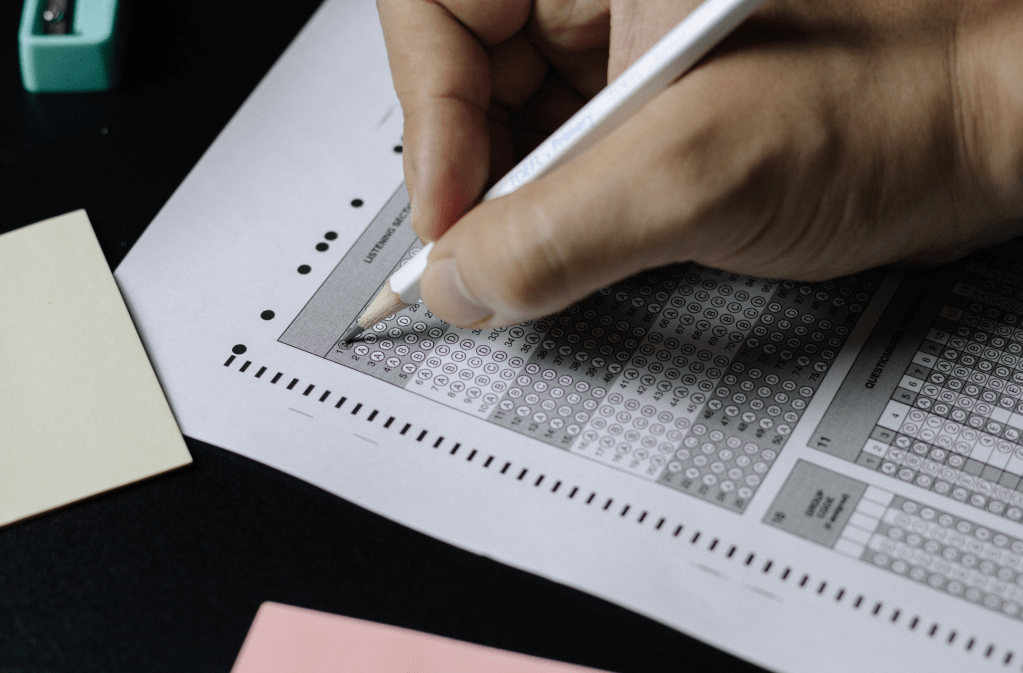
What is the ELPAC exam?
This year about 80% of my students are English learners, meaning they speak a language other than English at home. In California, students whose native language is something other than English must prove their English language ability in school. They do this by taking ELPAC, or the English Language Proficiency Assessments for California. The exam consists of two tests, the Initial ELPAC, and the Summative ELPAC. Students who are new to California schools take the Initial ELPAC. Students identified as English learners take the Summative ELPAC to measure their progress in English proficiency.
The ELPAC is one of the most important exams for students who are non-native English speakers or for those identified as English learners. Students have one chance per year to pass the test. Students are required to take an additional English class until they reclassify, and students who do not reclassify by the 10th grade may not graduate from high school.
Why is the ELPAC Important?
The ELPAC is a critical exam because it measures a student’s English language proficiency, which is necessary for success in academic settings. The exam assesses the four language domains: reading, writing, listening, and speaking, and determines whether a student has the necessary English language skills to be successful in academic classes. Exam results determine the appropriate English language development services and programs for students.
The ELPAC exam takes several hours, and students often take the exam over several days. The irony for my students is that English Learners often have a higher proficiency in English than my non-English Learners because they spend so much time preparing for this test.
What Can Adults Do to Support Children?
I understand the parents who need to read this may not be proficient in English. However, as a community, we should understand the impact of this exam on students. Students who take the ELPAC exam will have less than two weeks before they begin the SBAC exams. It is a tremendous amount of stress on children.
Here are some ways we can help students prepare for the ELPAC exam:
- Encourage children to read English-language books, magazines, and newspapers. Make sure students can accurately describe pictures and scenes.
- Engage in conversations with children in English and encourage them to practice speaking English. If it is difficult to find people to talk to, children should listen to English podcasts and encourage students to listen to music in English.
- Ask the child’s teacher for recommendations on additional resources or materials that can help with preparation.
- Help children with homework and provide additional support with English language assignments. If parents do not speak English, most schools offer to tutor students.
What Questions Should Parents Ask Teachers About the ELPAC Exam?
Parents should understand the test material and understand how the exam assesses students. Here are some questions to ask:
- How will my child be assessed on the ELPAC exam?
- What materials or resources can I use to support my child’s preparation for the exam?
- What accommodations are available for English learners during the exam? This part is important because many parents do not know about the additional support available to students.
- When will I receive my child’s ELPAC exam results, and how will they be used to determine their academic progress and English language development services?
Resources for Parents:
The California Department of Education offers a range of resources for parents to support their child’s success on the ELPAC exam. These include:
- The ELPAC Parent Guide: This guide provides detailed information on the exam, including scoring and resulting data. https://www.elpac.org/resources/parent-guide/
- The ELPAC Practice Test: This resource is an excellent way for students to become familiar with the exam’s format and types of questions. https://www.elpac.org/resources/practice-test/
- The ELPAC Fact Sheet: This document explains the exam, its purpose, and how it works. https://www.elpac.org/resources/fact-sheet/
- ELPAC Training Videos for Parents: These videos provide a comprehensive overview of the ELPAC exam, what to expect, and how to prepare. https://www.elpac.org/resources/training-videos-parents/
- California Department of Education’s ELPAC webpage: Provides additional information and resources, including sample test items, test administration manuals, and other helpful tools for parents and educators alike. https://www.cde.ca.gov/ta/tg/ep/
In Conclusion
In conclusion, native English speakers might never know about the ELPAC exam. Students taking the test are under pressure in April and May because a lot is riding on their results. We can help them be successful by ensuring students have the tools they need to be successful.
 Apricus Academy